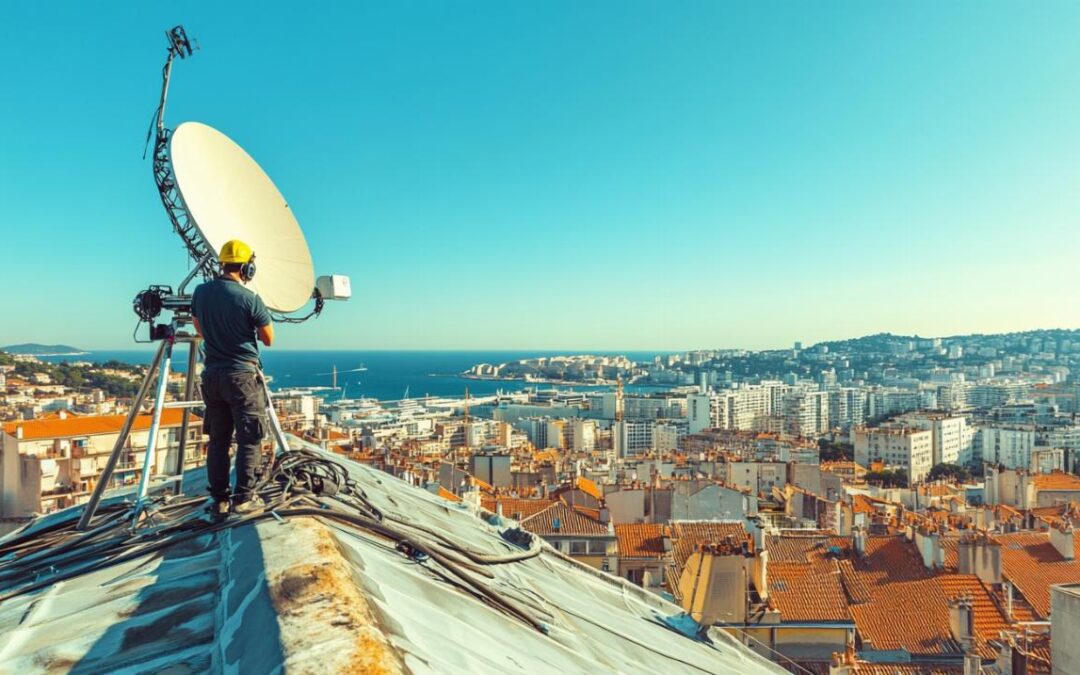
Living in Toulon and the wider Var region comes with many perks, but a flickering television screen or pixelated satellite channels certainly isn't one of them. When your favourite programmes become unwatchable due to poor signal quality, it's time to consider whether your television aerial or satellite dish requires professional attention. Understanding the root causes of reception issues and knowing when to call in an expert can save you considerable frustration and ensure you get back to enjoying crisp, clear viewing without delay.
Common Causes of Poor Television Reception in Toulon and the Var Region
Television reception problems in Toulon can stem from a variety of sources, and identifying the culprit is essential for restoring your viewing experience. The region's unique geography, combined with local weather patterns, creates specific challenges for both terrestrial and satellite signals. From coastal winds to ageing infrastructure, several factors can conspire to disrupt your television service.
Weather-related damage and environmental factors affecting your aerial
The Mediterranean climate that makes Toulon so attractive can also wreak havoc on outdoor television equipment. Strong winds coming off the sea can gradually shift your aerial out of its optimal position, causing the signal to weaken or disappear entirely. Over time, exposure to salt air accelerates corrosion on metal components, particularly the connections and brackets that secure your aerial or satellite dish. Heavy rainfall and storms can also cause immediate damage, bending elements or loosening fixings that were previously secure. These environmental factors don't always announce themselves with dramatic failures; often, the degradation happens slowly, with your picture quality declining bit by bit until it becomes unbearable. Regular inspection of your equipment can help catch these issues before they become serious, but the exposed locations where aerials and dishes are mounted make this impractical for most homeowners.
Technical issues: corroded connections and misaligned equipment
Beyond weather damage, technical faults within the system itself frequently cause reception problems. Corroded connections between your aerial and the cable running to your television set can introduce signal loss, resulting in pixelation or complete loss of certain channels. The coaxial cable itself may degrade over time, particularly if it wasn't properly installed with weather-resistant fittings. For satellite systems, even a slight misalignment of the dish can mean the difference between perfect reception and no signal at all. These dishes need to point precisely at the satellite orbiting thousands of miles above the Earth, and shifts of just a few degrees can prove catastrophic. Internal components such as low-noise blocks, which amplify the satellite signal, can also fail without warning. These technical issues often require diagnostic equipment and specialist knowledge to identify correctly, making professional assistance invaluable when troubleshooting persistent problems.
Professional Installation Services for Antennas and Satellite Dishes in Toulon
When it comes to installing new television reception equipment or replacing failed systems, professional services offer significant advantages over attempting the work yourself. Qualified engineers bring not only the necessary tools and safety equipment but also the expertise to ensure your installation meets current standards and delivers optimal performance from day one.
Choosing the Right Equipment and Optimal Positioning for Signal Strength
Selecting appropriate equipment for your location represents the first critical decision in any installation project. Not all aerials are created equal, and the type you need depends on your distance from the nearest transmitter, the local terrain, and potential sources of interference in your neighbourhood. Professional installers can conduct site surveys to determine which equipment will work best for your specific circumstances. For satellite installations, choosing between standard and high-gain dishes, as well as determining the ideal mounting location, requires consideration of line-of-sight to the satellite, potential obstructions from trees or buildings, and protection from prevailing winds. An experienced engineer will assess all these factors before recommending a solution, ensuring you invest in equipment that will provide reliable service for years to come. They'll also consider future-proofing your installation, accounting for potential changes in broadcast technology or household requirements that might affect your needs down the line.
Expert installation procedures and quality assurance standards
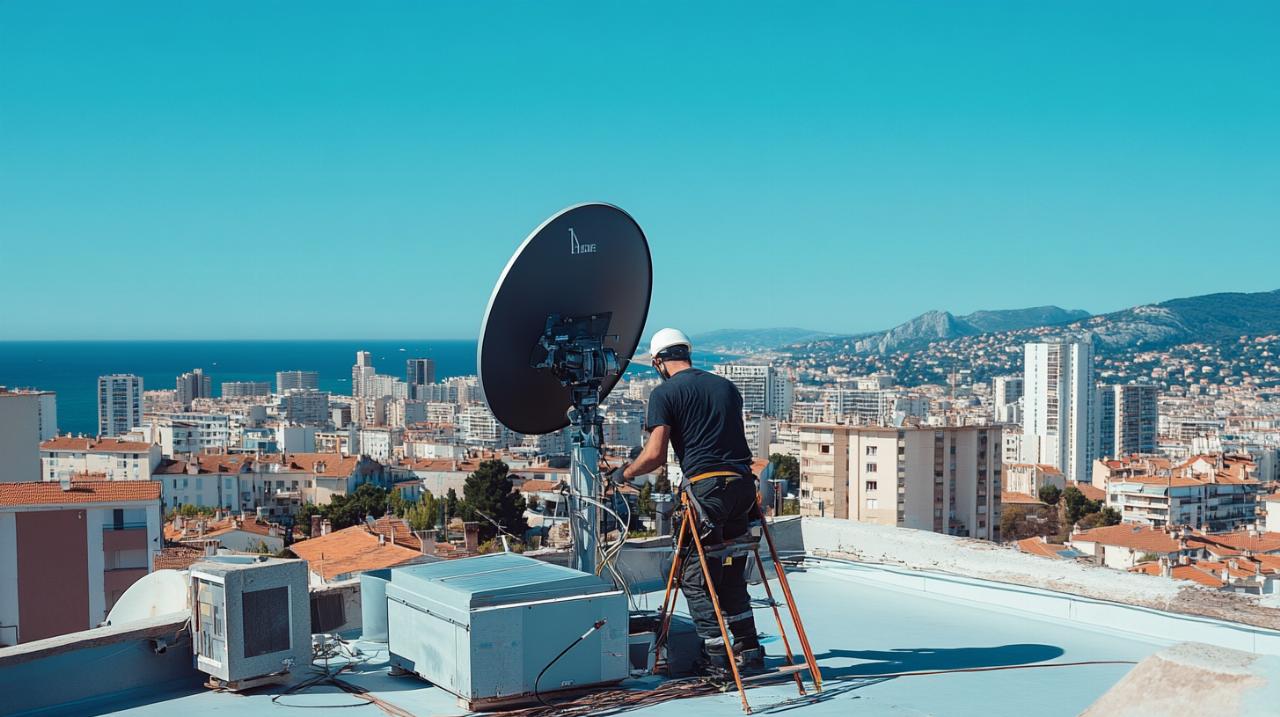
Professional installation follows established procedures designed to maximise both performance and longevity of your television reception equipment. This begins with secure mounting using appropriate fixings for your specific roof type or wall construction, ensuring the aerial or dish won't shift position during adverse weather. All connections are made using quality components and weather-sealed properly to prevent moisture ingress and corrosion. Cable routing is planned to minimise signal loss whilst keeping runs neat and protected from damage. For terrestrial systems, engineers will fine-tune the aerial direction using signal strength meters to achieve optimal reception. Satellite installations require precise alignment using specialised equipment to ensure the dish points exactly at the target satellite. Once installation is complete, thorough testing across all available channels confirms everything functions as intended. Quality installers will also provide documentation of the work completed and offer guarantees on both parts and labour, giving you peace of mind that your investment is protected.
When to Call a Qualified Engineer for Aerial and Satellite Repairs
Knowing when to seek professional help can save you time, money, and potential injury. Whilst some minor adjustments might seem straightforward, television reception equipment often requires specialist knowledge and tools to diagnose and repair correctly.
Safety Considerations and the Benefits of Professional Troubleshooting
Working at height presents serious risks, and climbing onto your roof without proper training and safety equipment can result in severe injury or worse. Professional engineers are trained in safe working practices and carry appropriate insurance to cover any accidents that might occur during their work. Beyond safety concerns, attempting repairs yourself can sometimes worsen the problem or create new issues if you lack the technical knowledge to diagnose the fault correctly. Qualified engineers bring diagnostic tools that can measure signal strength, identify sources of interference, and pinpoint faulty components quickly. This expertise means they can often resolve problems in a single visit that might take you weeks of trial and error to solve, if indeed you could solve them at all. Their experience also allows them to spot potential problems before they cause failures, potentially saving you from future callouts.
Cost-effective solutions: repair versus replacement options
When faced with faulty television reception equipment, the decision between repair and replacement isn't always straightforward. Professional engineers can assess the condition of your existing installation and advise whether repair represents good value or whether replacement would be more economical in the long term. Sometimes a simple repair, such as replacing corroded connectors or realigning a slightly shifted aerial, can restore full functionality at minimal cost. In other cases, particularly with older equipment that has suffered extensive weather damage, replacement might prove more cost-effective than attempting piecemeal repairs that may only provide temporary relief. Modern equipment also offers improved performance and reliability compared to older installations, potentially providing better value over its lifetime. A qualified engineer can explain your options clearly, providing transparent pricing for both repair and replacement scenarios so you can make an informed decision based on your budget and requirements. They'll also consider factors such as the age of your current equipment and whether upcoming changes in broadcast technology might affect its usefulness, ensuring any investment you make serves you well into the future.
 Data Protection Tips
 What tools are used for big data?
 How to change the appearance of icons on iphone?
 What type of tik tok video is the most watched?
 Revolutionizing communication: GPT chatbots ushering in a new era of human-machine interaction
 Innovative Ideas for Decorating with Plants in Your Living Room
 Top Activities for an Unforgettable Travel Experience
 Top tips for stress-free travel planning
 Enhancing your daily life with practical technology tips
 Tips for Keeping Your House Cool in Summer Without Air Conditioning
 Everlusting Life is Now Available on Android APK
 Aeons Echo Review: Greek Mythology Meets Cyberpunk RPG
 The Ultimate Guide to Advanced Search on Twitter: How to Spot Fake News and Bot Activity Like a Pro